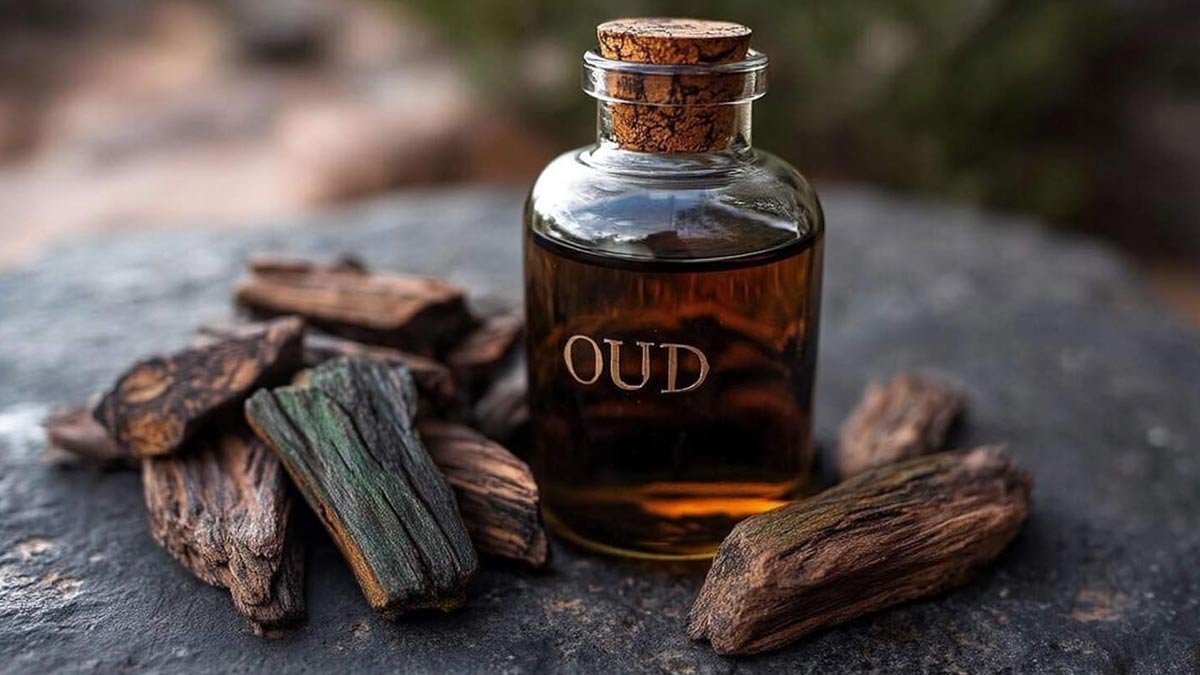
Quality & Authenticity
Fake and adulterated oud is widespread, and almost every serious buyer eventually asks the same question: how do I know this is real, and what am I actually paying for? This hub covers grading systems, resin testing, and the practical checks that separate genuine agarwood from synthetic or misrepresented material.
Read these before you evaluate any seller
The checks to run, the most common ways agarwood is misrepresented, and the oil question every buyer runs into.
How to test agarwood authenticity at home
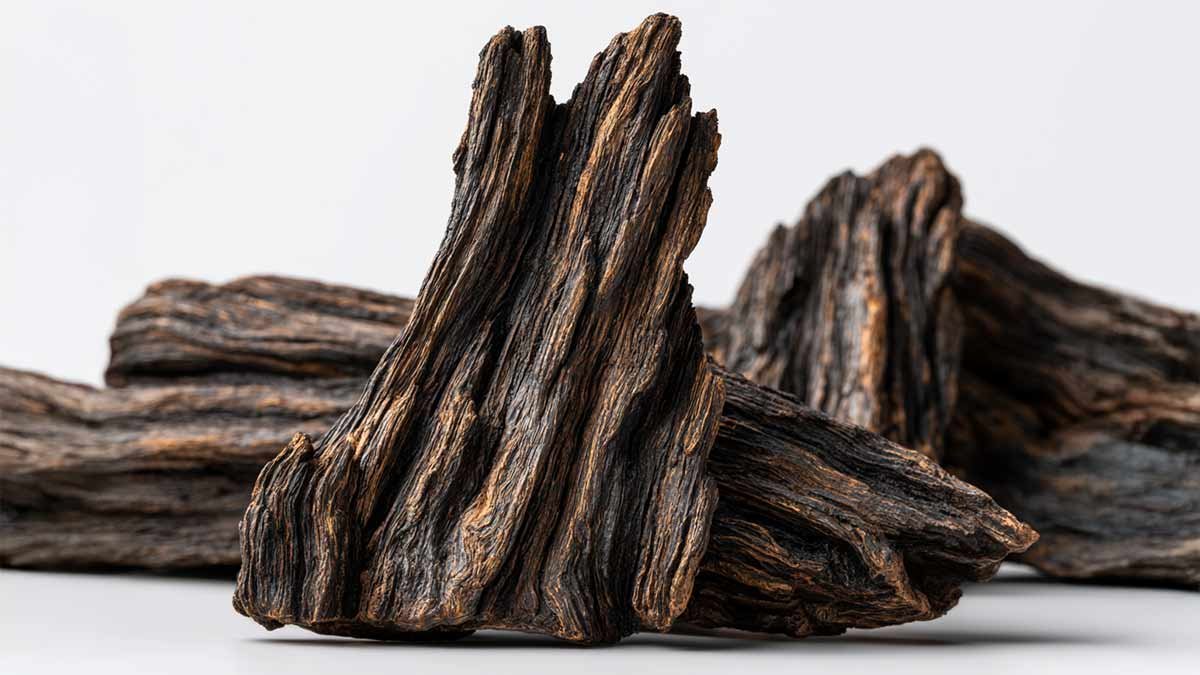
Practical checks you can run on a piece of agarwood or oud oil before you commit to a purchase, what each test actually tells you, and where home testing reaches its limits.
Read the full guide →Fake oud: what to look for
The most common ways agarwood and oud oil are misrepresented, from synthetic blends sold as pure oud to wood that has been artificially weighted or dyed.
Read →Synthetic oud oil vs natural oud oil
How the two actually differ, and why the distinction matters more for oil than for raw wood.
Read →How agarwood is graded
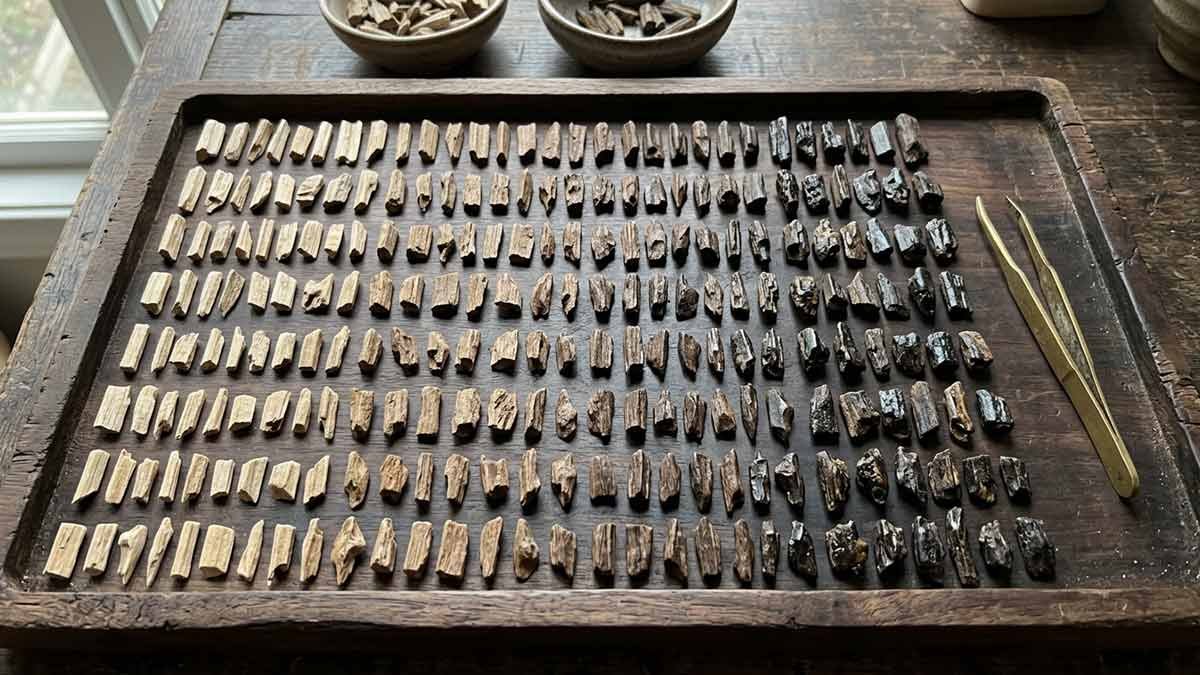
The factors behind grade, and the regional systems traders actually use.
How agarwood is graded: a complete guide
The factors that determine grade across the industry, and how to make sense of grading terms before comparing specific systems.
Read →Resin content: what it means and how to measure it
The sinking test, resin percentage, and why resin content sits at the centre of almost every grading conversation.
Read →The Vietnamese agarwood grading system
How Vietnamese traders commonly grade agarwood, and why kỳ nam is treated as a category of its own.
Read →Middle Eastern oud grading standards
How Gulf traders commonly classify oud, using trade terms such as Double Super.
Read →Distillation and pricing
What happens before oud oil reaches a bottle, and why two similar bottles can cost very different amounts.
Four things to know before you judge a piece
The principles behind every guide in this hub.
- Grading
- There is no single international grading system. Grades are set by traders and regional markets, so always ask what a grade means to that seller. How agarwood is graded
- Sinking
- Dense, resin rich wood often sinks in water, but weighted or resin soaked pieces can sink too. Sinking is one signal, not proof. Resin content
- Colour
- Colour alone is a poor guide. Wood can be dyed or coated to look resin rich, so judge it alongside scent, weight and how it burns. Fake oud
- Lab testing
- No single home test is conclusive. For oil, laboratory analysis such as GC-MS can show a sample's chemical profile and flag common adulterants, though results still need expert interpretation. Testing at home