Origins & Varieties
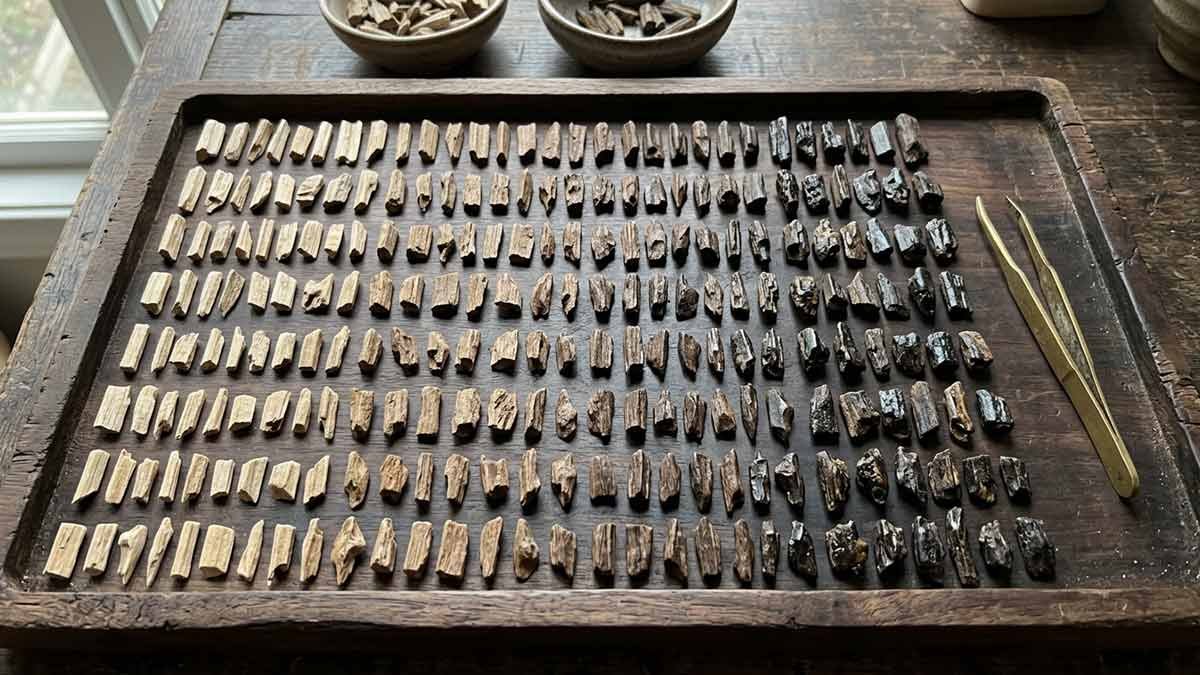
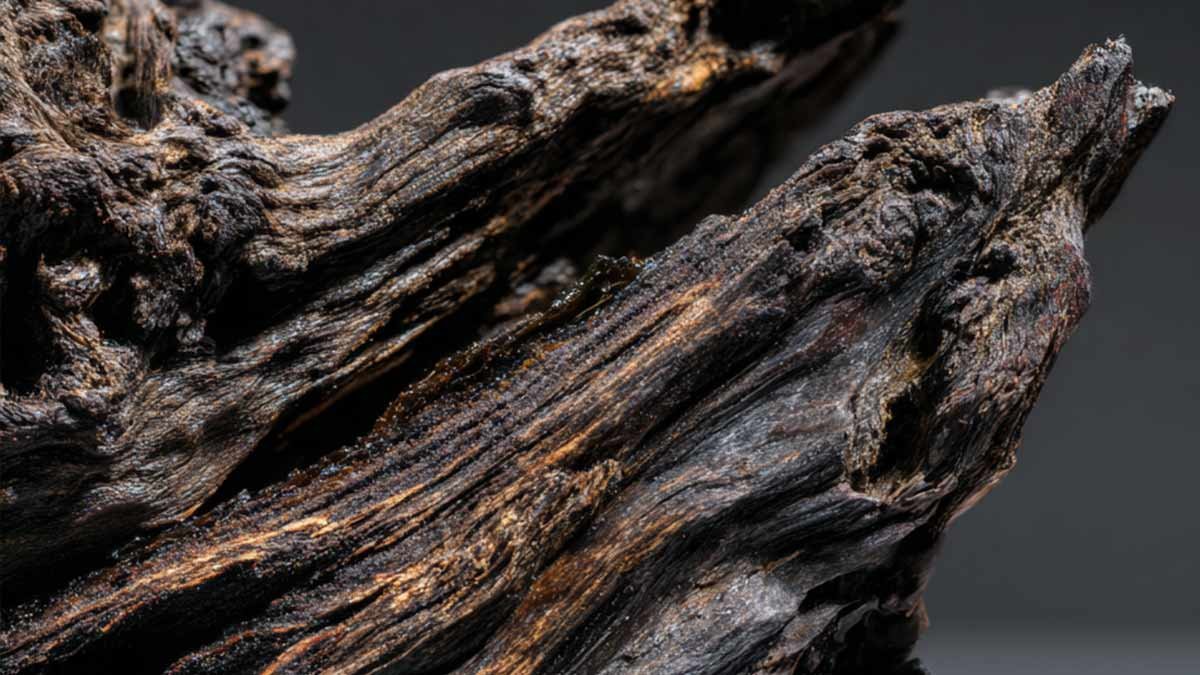
Agarwood is not one tree from one place. It comes from two genera, Aquilaria and Gyrinops, grown across at least seven countries, and each origin carries its own character and reputation in the trade. This hub covers the species behind agarwood and the regions that shape how it is bought, sold and valued.
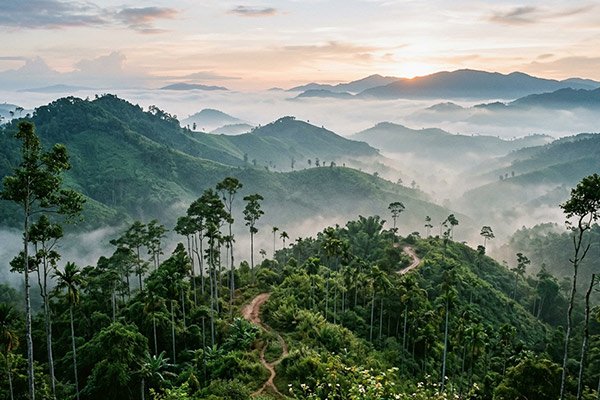
Species first, then the two biggest origins
Read the species guide before any regional profile, then the two origins buyers ask about most.
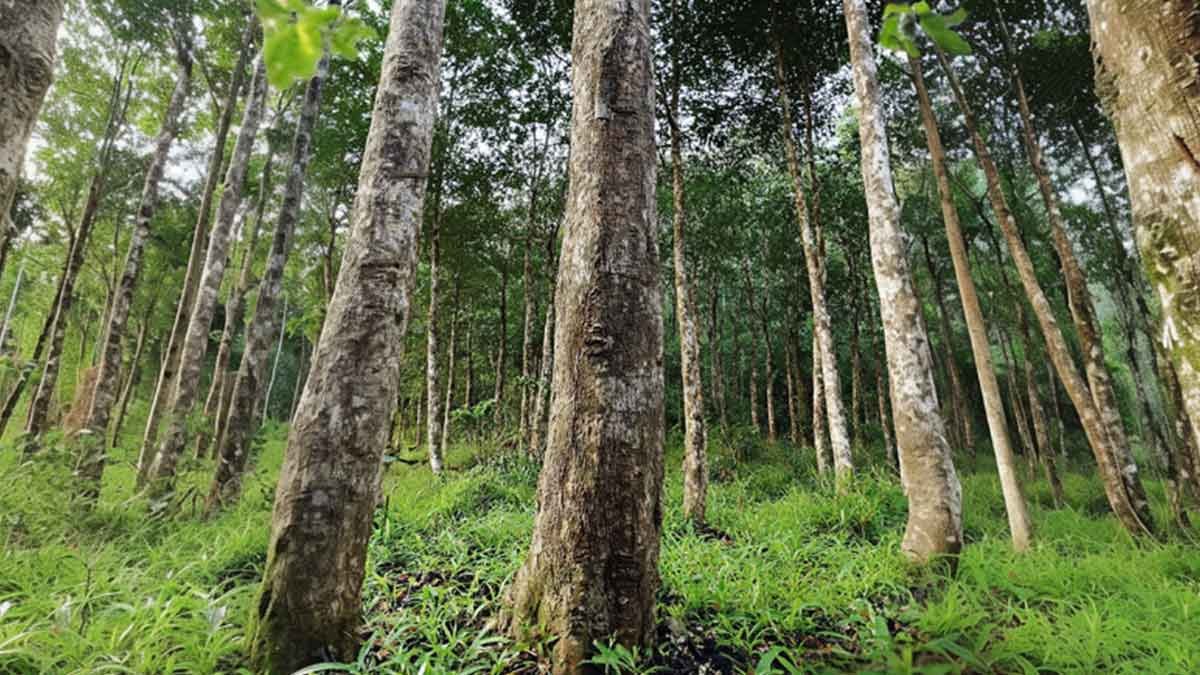
Aquilaria vs Gyrinops: understanding agarwood species
The foundational guide to the two genera behind every piece of agarwood in the trade. How Aquilaria and Gyrinops differ in growth rate, natural range and resin character, and why that distinction matters before you read a single regional profile.
Read the full guide →Vietnamese agarwood: Trầm Hương and Kỳ Nam
What sets Vietnamese agarwood apart in the trade, the distinction between standard trầm hương and the rare kỳ nam, and what serious buyers are actually paying for.
Read →Indonesian agarwood: Kalimantan, Sumatra and Papua
Widely reported as the largest agarwood exporter. How quality and species vary across its main producing islands, and what that means for buyers comparing origin labels.
Read →Five more origins
Historic, established and emerging sources, from mainland Southeast Asia to New Guinea.
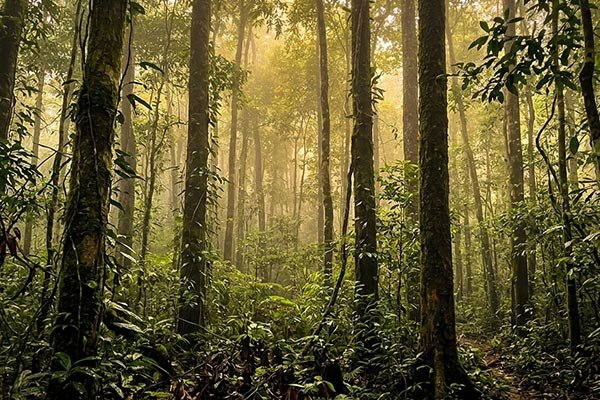
Cambodian agarwood
Once among the most prized origins in the historic trade, now sourced mostly from plantation stock. What its reputation was built on, and what supply looks like today.
Read →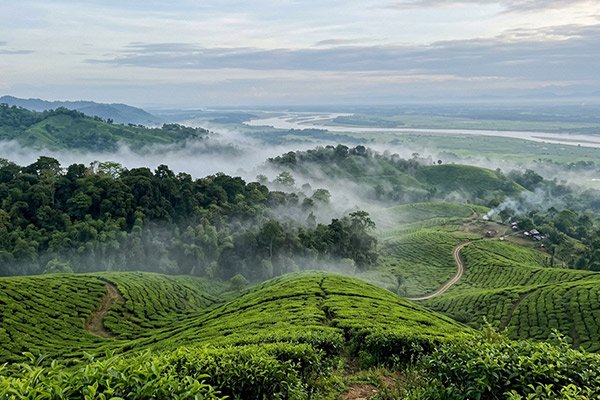
Indian agarwood: Assam and Northeast India
Assam's long-running agarwood industry, the Aquilaria malaccensis trees behind it, and how the region fits into Ayurvedic use and the modern export trade.
Read →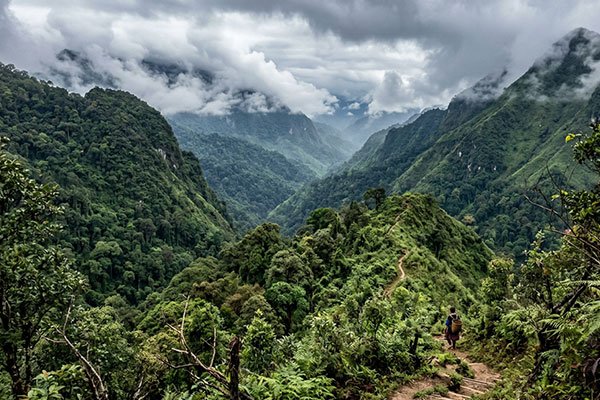
Laotian agarwood
Highland forest stock and how Laos fits into the wider Southeast Asian supply picture.
Read →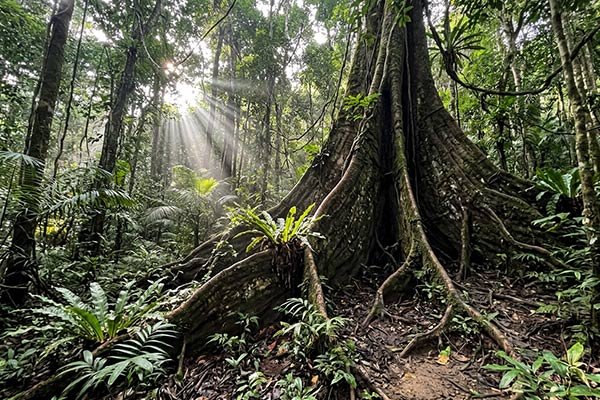
Malaysian agarwood
Peninsular Malaysia, Sabah and Sarawak, and how each region's supply differs.
Read →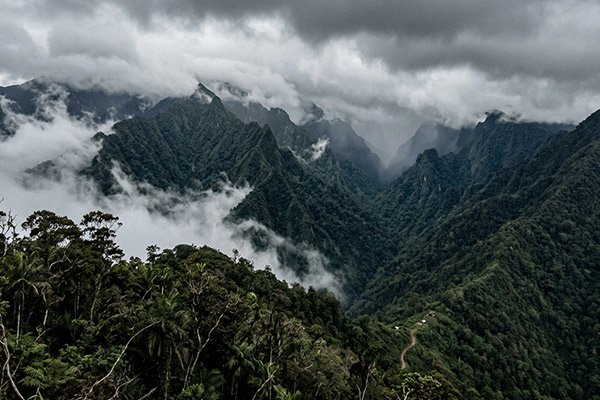
Papua New Guinean agarwood
An emerging, underreported Gyrinops source and what is actually known about it so far.
Read →All origins side by side
For buyers weighing more than one origin.
Origins in four facts
The essentials behind every regional profile in this hub.
- Two genera
- All agarwood comes from Aquilaria or Gyrinops, both in the plant family Thymelaeaceae. Aquilaria vs Gyrinops
- Common species
- Aquilaria crassna is associated with Vietnam, Cambodia, Laos and Thailand, A. malaccensis with India, Malaysia and Indonesia, A. sinensis with southern China, and Gyrinops with eastern Indonesia and New Guinea.
- Origin labels
- Origin is hard to confirm from appearance alone, so treat an origin on a label as a claim unless the seller can document it. Fake oud: what to look for
- Trade status
- All Aquilaria and Gyrinops species are listed in CITES Appendix II, whatever their origin. CITES explained