
 01
Understanding Agarwood
What it is, why it forms, and its place in Islamic, Buddhist, Hindu, Chinese and Japanese tradition.
Agarwood is one of the most counterfeited natural materials in the world, and one of the most culturally significant. Learn what it is, how it is graded, and which suppliers are worth your trust.

 VietnamAquilaria crassna
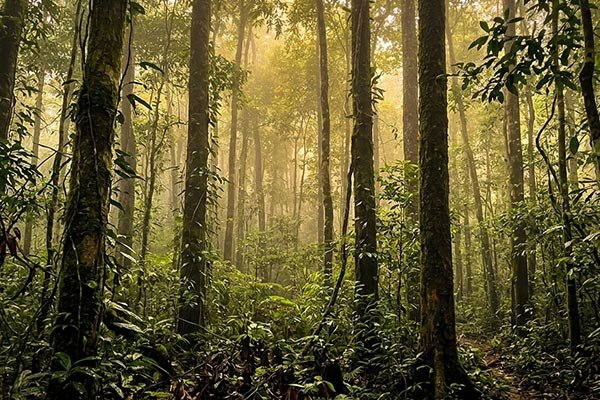 CambodiaAquilaria crassna
 LaosAquilaria crassna
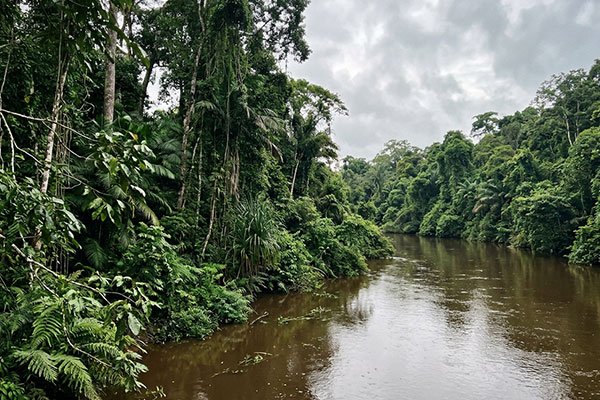 IndonesiaAquilaria, Gyrinops
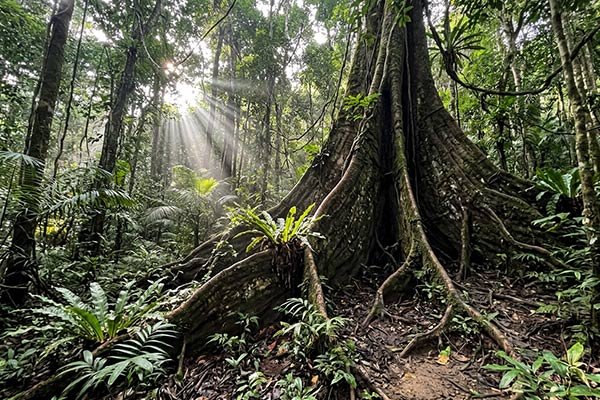 MalaysiaAquilaria malaccensis
 IndiaAquilaria malaccensis
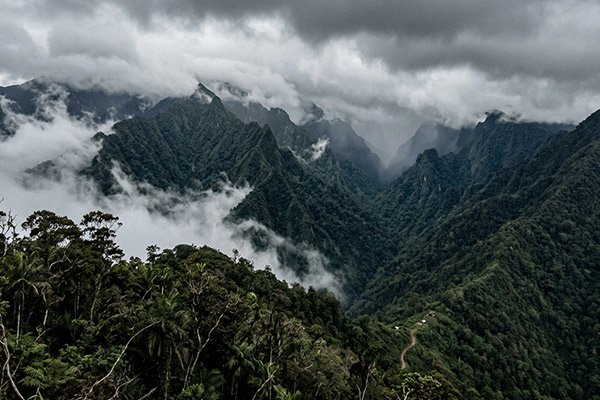 Papua New GuineaGyrinops ledermannii
Species shown are those most commonly associated with each origin. Most origins have more than one.
Each hub builds on the last. Read them in order, or jump straight to what you need.
01What it is, why it forms, and its place in Islamic, Buddhist, Hindu, Chinese and Japanese tradition.
 02
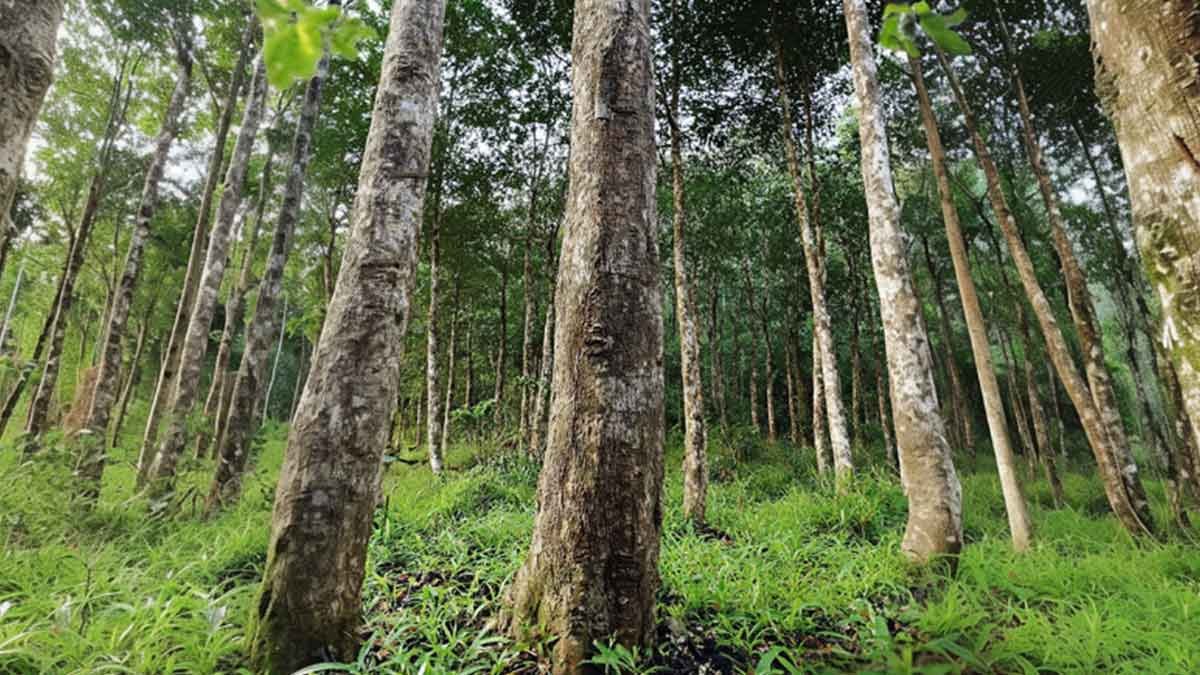
Aquilaria and Gyrinops species, and regional profiles from Vietnam to Papua New Guinea.
 03
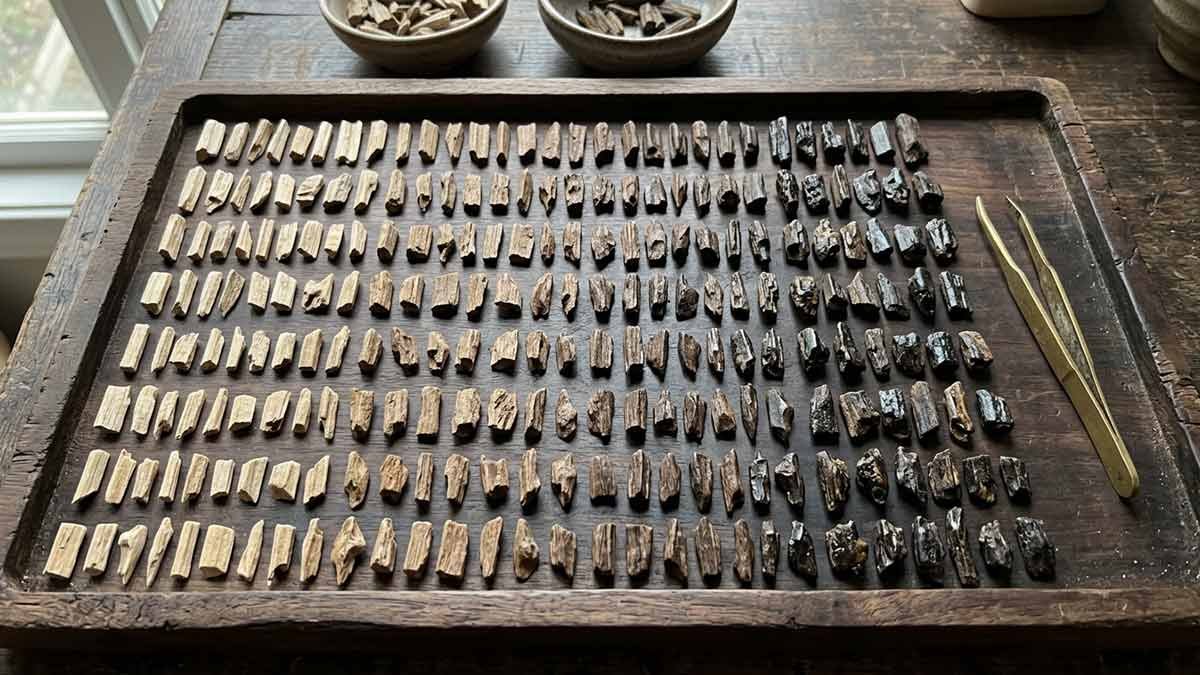
How grading works, how resin is assessed, and how to spot synthetic or adulterated oud.
 04
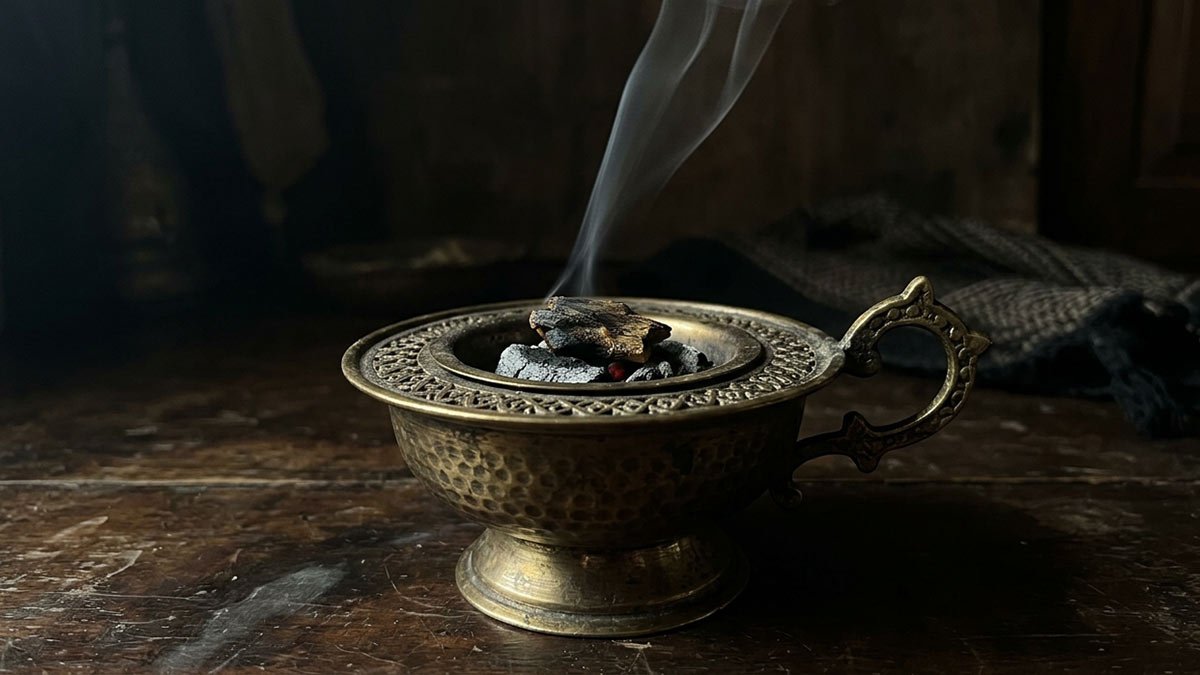
Burning, distillation, wearing, storing and collecting once you own a piece.
 05
Price expectations, red flags, and how to evaluate a supplier before you trust them.
Synthetic scenting, mislabelled origins and inflated grades are common. These are four of the claims we see most often, and what is actually true.
Read the Authenticity hub"It sinks, so it's real."
Dense, resin rich wood often sinks in water, but weighted or resin soaked pieces can sink too. Sinking is one signal, not proof.
"Grade A is a universal standard."
There is no single international grading system. Grades are set by individual traders and regional markets, so always ask what a grade means to that seller.
"Darker wood is always better."
Colour alone is a poor guide. Wood can be dyed or coated to look resin rich, so judge it alongside scent, weight and how it burns.
"CITES means it's banned."
All Aquilaria and Gyrinops species are listed in CITES Appendix II. International trade is legal when the correct permits are in place.
Distillers, sellers, wholesalers, growers and perfume houses, organised by country and type. Sourcing claims are noted as unverified until we can confirm them.
Run a reputable agarwood business? Get listed in front of buyers who are researching before they purchase.
List your business →Short answers to the questions people ask most. Each one links to a full guide.
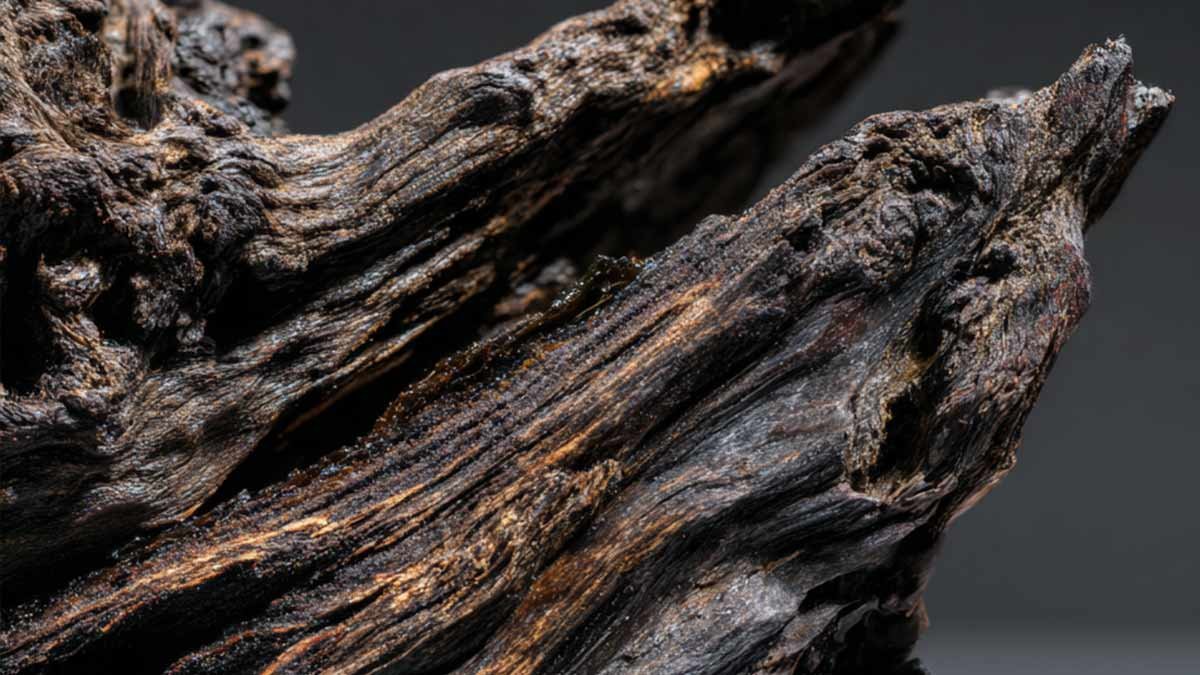
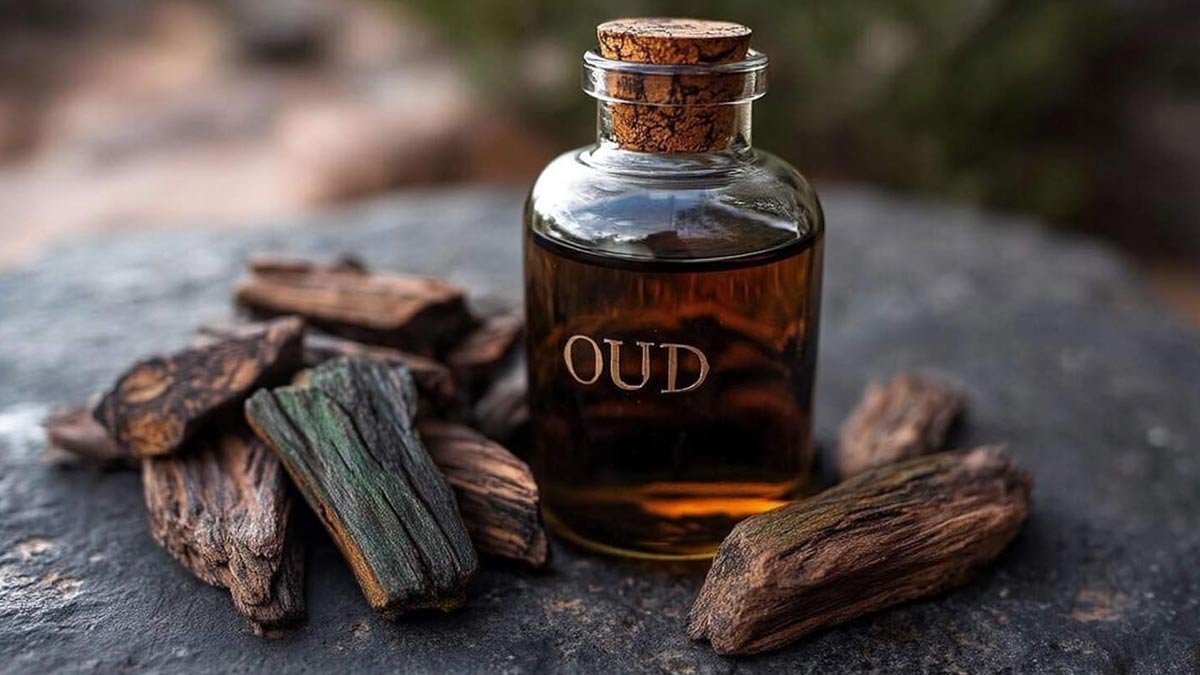
Agarwood is resin infused heartwood that forms when Aquilaria and Gyrinops trees are wounded or infected and produce a fragrant resin as a defence response. The wood is burned as incense, and distilled to make oud oil. Read the full guide.
Resin forms slowly and unpredictably, wild trees with heavy resin are scarce, and international trade is regulated under CITES. Origin, grade, age and resin content all affect price, which is also why fakes and inflated grades are common. Read why agarwood is so expensive.
No single home test is conclusive. Sinking, colour and scent are all useful signals, but each can be faked. The Quality & Authenticity hub explains how to combine checks, and when lab testing is worth it. How to test agarwood authenticity at home.
Yes, with the right documentation. All Aquilaria and Gyrinops species are listed in CITES Appendix II, so international shipments need permits. Rules for personal quantities vary by country. Agarwood and CITES explained.
Often it is not. Many commercial oud fragrances use synthetic oud accords rather than natural oud oil. Our directory records which type a perfume house uses only where it can be verified. Agarwood in perfumery.
Species, CITES status, history and trade facts are checked against primary sources. If we can't verify it, we don't state it.
Scent and quality are partly subjective. Where collectors disagree, we say so rather than declaring a winner.
Any paid listing or affiliate link is clearly disclosed, and never changes what a guide says. Our editorial policy.
The foundational guide for anyone new to oud. No assumed knowledge, no sales pitch.