
Oud oil isn't applied the way a spray perfume is. It's far more concentrated, so the usual instinct, applying generously, is almost always the wrong move. A little goes a long way, and how you apply it matters as much as how much.
How Much to Use
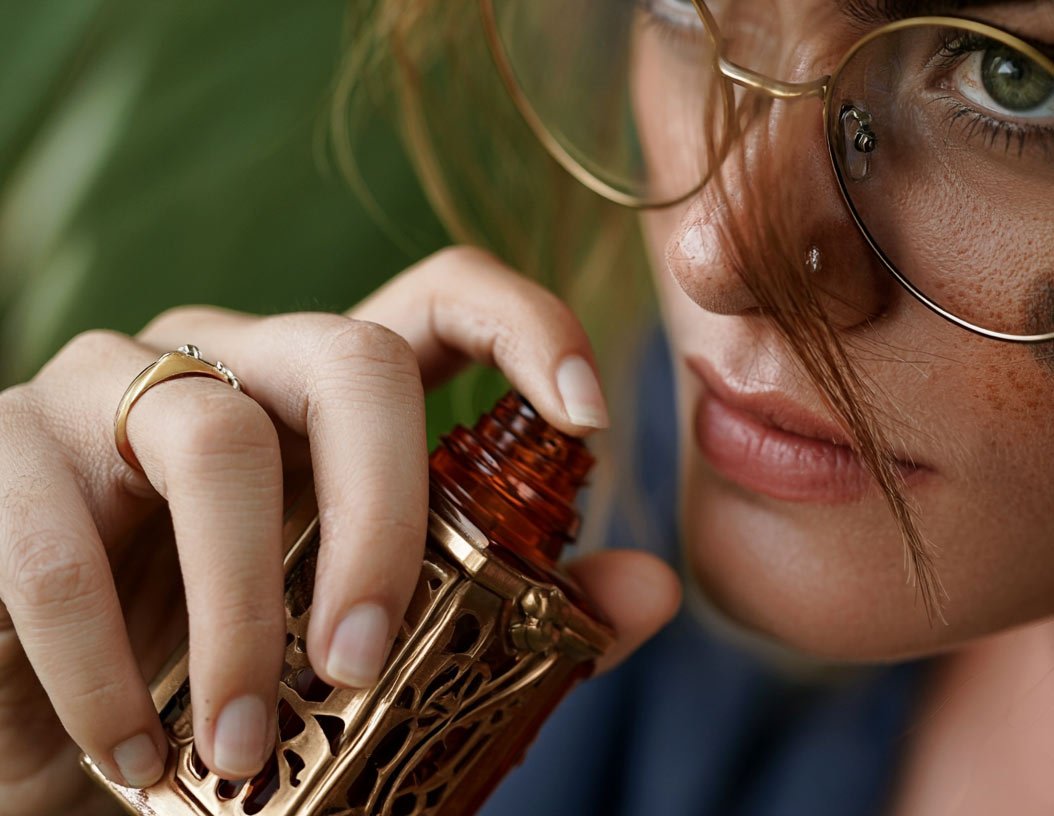
Start with a single drop. Pure oud oil is concentrated enough that one drop can last several hours, and it's easy to add a touch more if needed but impossible to take excess away once it's on. If you're not certain whether you're holding pure oil or a diluted attar-style blend, covered in our guide to oud attar vs oud essential oil, start even more conservatively, since concentration varies a great deal between the two.
Where to Apply It
Pulse points, areas where blood vessels sit close to the skin's surface, generate warmth that helps a fragrance diffuse gradually rather than all at once. The inside of the wrist is the standard choice, the back of the neck works well too and projects upward as you move, and some people add a touch behind the ears. Dab the oil on and let it sit, resist the instinct to rub your wrists together afterward, since rubbing can disrupt how the fragrance settles and develops on skin.
Skin vs Clothing
Applied to skin, oud oil develops in close contact with your own body chemistry and tends to stay more personal and contained. Applied to clothing, particularly light or white fabrics, oud oil can leave a visible stain, since it's an oil-based product, so never apply it directly to fabric. Some wearers instead rub a drop between their hands first and lightly pat it onto clothing rather than skin, since scent on fabric can last considerably longer than scent on skin, but this carries real staining risk and is best reserved for dark or oud-colored fabrics where a faint mark won't show.
In parts of the Gulf and South Asia, applying oud oil to the edges of a garment, a headscarf, or a beard is a long-standing practice, since fabric and hair both hold scent longer than skin and release it gradually throughout the day. If you want to try this, treat it the same as any clothing application: test on a hidden seam or underside first, and accept that some staining risk comes with the tradeoff of longer-lasting scent.
Want a wearable form that skips the staining question entirely?
Agarwood Beads: Malas, Tasbih, and BraceletsMaking It Last Longer
Fragrance generally lasts longer on hydrated skin than on dry skin, so applying an unscented, fragrance-free moisturizer first can help oud oil hold its scent longer by giving it a slightly oilier surface to cling to rather than evaporating quickly off dry skin. Avoid applying oud oil directly over an existing perfume on the same spot, since the two will blend in ways that are hard to predict, layer it on a separate pulse point instead if you want to combine scents intentionally.
Common Mistakes
The most common mistake is simply using too much, oud oil's concentration means a generous application can read as overwhelming rather than luxurious, both to the wearer and to people nearby. The second most common mistake is applying it directly to light-colored clothing without testing for staining first. The third is rubbing wrists together immediately after application, which can disturb the fragrance's natural development. All three are easy to avoid once you know to watch for them.