
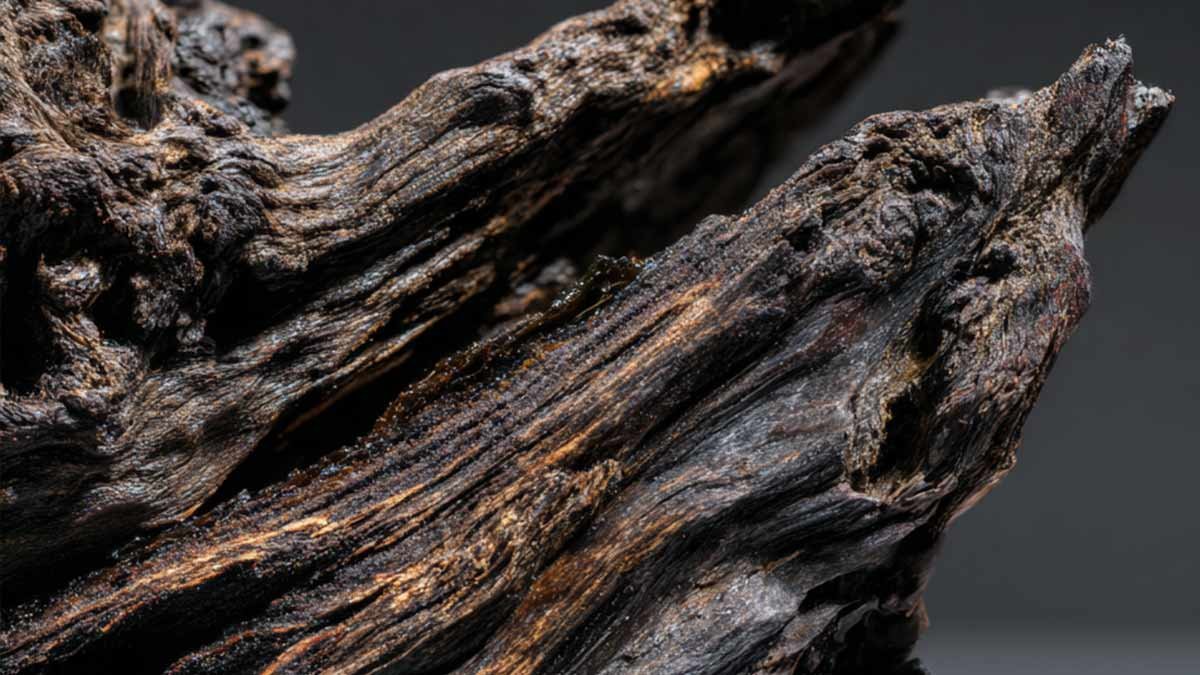
Agarwood Guide is an independent reference resource on agarwood and oud. It covers what agarwood is, where it comes from, how it is graded, and how to tell genuine material from imitations.
Most information available to buyers comes from one of two places. Sellers have an obvious incentive to talk up rarity and authenticity. Academic literature is rigorous, but written for researchers rather than buyers. This site was built to sit between the two: sourced like the second, written for the first.
It started from personal interest rather than trade experience. Years of travel through regions where agarwood is grown, traded and used in daily and religious life raised a lot of questions that seller listings and academic papers each answered only in part. This site is an attempt to put the fuller answer in one place.
Why this exists
Agarwood is valuable, judged largely by eye and nose, and easy to imitate. When researchers at the Royal Botanic Gardens, Kew, examined suspected agarwood seized at the UK border, only about 58 percent of samples turned out to be genuine, as covered in fake oud: what to look for. A buyer with no independent way to check a seller's claims about origin, grade or authenticity is at the seller's mercy. Our guides exist to close that gap, giving buyers, collectors and the simply curious something to check claims against other than the listing they are reading.
How we verify information
Every guide on this site is built the same way.
- 01Primary sources first. CITES listing documents, peer-reviewed botanical and chemical research, and published trade studies take priority over secondhand claims. Where a guide relies on them, they are listed at the end of the page.
- 02Unverifiable claims are hedged or left out. Where sources disagree, or a fact cannot be independently confirmed, we say so rather than presenting one version as settled. If we cannot find a source for something, we do not state it.
- 03Opinion is labelled as opinion. Much of agarwood is genuinely subjective: which origin smells best, which grade collectors prize most, how a scent should be described. We present those as views held by traders or enthusiasts, not as facts.
- 04Marketing claims are not evidence. A seller's description of their own product is treated as a claim to check, not a fact to repeat. That includes popular home "authenticity tests" we could not find evidence for.
- 05Pages get revisited. CITES listings, national rules and trade terminology change. Guides are updated when the underlying facts change, and corrections are made as soon as we confirm them.
What we are not
Not a seller or affiliate. Agarwood Guide is not affiliated with any agarwood producer, distributor, auction house or certification body, and we do not sell agarwood or oud.
Not an endorsement. Our supplier directory is a separate listings resource. It records the sourcing, testing and permit claims suppliers make and shows them as unverified until we can confirm them. We do not list businesses linked to fraud investigations or credible fraud complaints. Inclusion is not a quality guarantee: it is a starting point for your own checks, not a substitute for them.
Not professional advice. Nothing on this site is appraisal, authentication or legal advice. For high-value purchases, export or import questions, or formal authentication, consult a qualified professional or the relevant CITES authority.
Found something wrong?
If you spot an error, an outdated regulation or a claim you think we got wrong, tell us. Corrections are reviewed, and the guide is updated once the fix is confirmed.
Contact usWhere to start. New to agarwood? Begin with what is agarwood, or browse all five hubs in the guides.